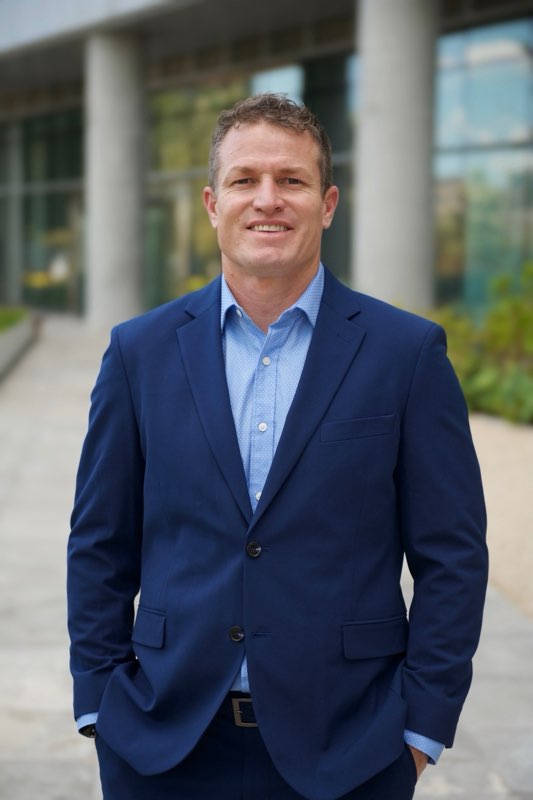
Built from the outside in.
I wasn't inside senior living when I started asking questions about it. That turned out to matter.
My career has moved through industries that seem unrelated on a resume … real estate development, spinal implants, industrial water systems, and municipal infrastructure … but they shared a common theme. Every challenge required understanding the system before understanding the problem. The work was always the same: find the upstream cause of the downstream consequence.
When an unexpected career transition created space to look for what to build next, I became fascinated by the staffing crisis in senior living. What began as curiosity turned into observation, conversations, and eventually work adjacent to the industry itself.
What stopped me was not staffing.
It was the normalization of instability.
Senior living leaders manage an extraordinary amount of operational complexity every day. Staffing challenges, resident needs, regulatory demands, and unexpected disruptions all compete for attention at once. When instability becomes part of the daily operating environment, teams learn to carry it. The challenge is that carried instability doesn't stay still. It compounds. Over time, it becomes burnout, turnover, leadership strain, financial drag, and a growing sense that extraordinary effort is the price of ordinary stability.
The people carrying this burden are often some of the most caring and mission-driven professionals I have ever encountered. Yet many spend enormous energy fighting the same operational battles repeatedly, not because they lack talent or commitment, but because the system continually demands more than it returns. Eventually many leave, not because they stopped caring, but because they became exhausted.
This work became personal in a way I didn't anticipate.
Last year my father-in-law entered a memory care community following a sudden and devastating illness acquired from suffering the wrong mosquito bite. Watching him there made something clear: every operational challenge eventually becomes a human one.
The caregivers, nurses, and leaders responsible for him were doing extraordinary work. But they were often doing it while carrying the same staffing pressures, workflow friction, and operational strain I had observed from the outside.
VOL exists because improving operational stability
isn't just about organizations.
It's about creating more room for the people
who do the work that matters most.
At the same time, I noticed the industry's tendency to solve problems in isolation. Recruiting gets one solution. Scheduling gets another. Engagement gets another. Turnover gets another. Yet the question that interested me most was rarely asked:
What if these aren't separate problems?
What if staffing, leadership bandwidth, workflow execution, resident experience, occupancy, and financial performance are all connected manifestations of the same underlying instability?
I stopped asking how to solve turnover.
I started asking how instability spreads.
VOL emerged from that question.
Supported by graduate work in business, systems design, and applied technology, VOL is an ongoing effort to better understand how operational instability forms, how it compounds, and how leaders can recognize it earlier.
I don't believe senior living lacks dedicated people. I believe many organizations are operating inside patterns that have become so familiar they are difficult to see.
I didn't build VOL because I thought I had the answer.
I built VOL because I became convinced we were asking the wrong questions.
If we can understand how instability forms, how small pressures compound across staffing, leadership, workflow, and resident demand before anyone clearly recognizes them, we can intervene earlier.
Before good people burn out.
Before communities become trapped in a cycle of reaction they no longer recognize as a cycle.
That's the work.